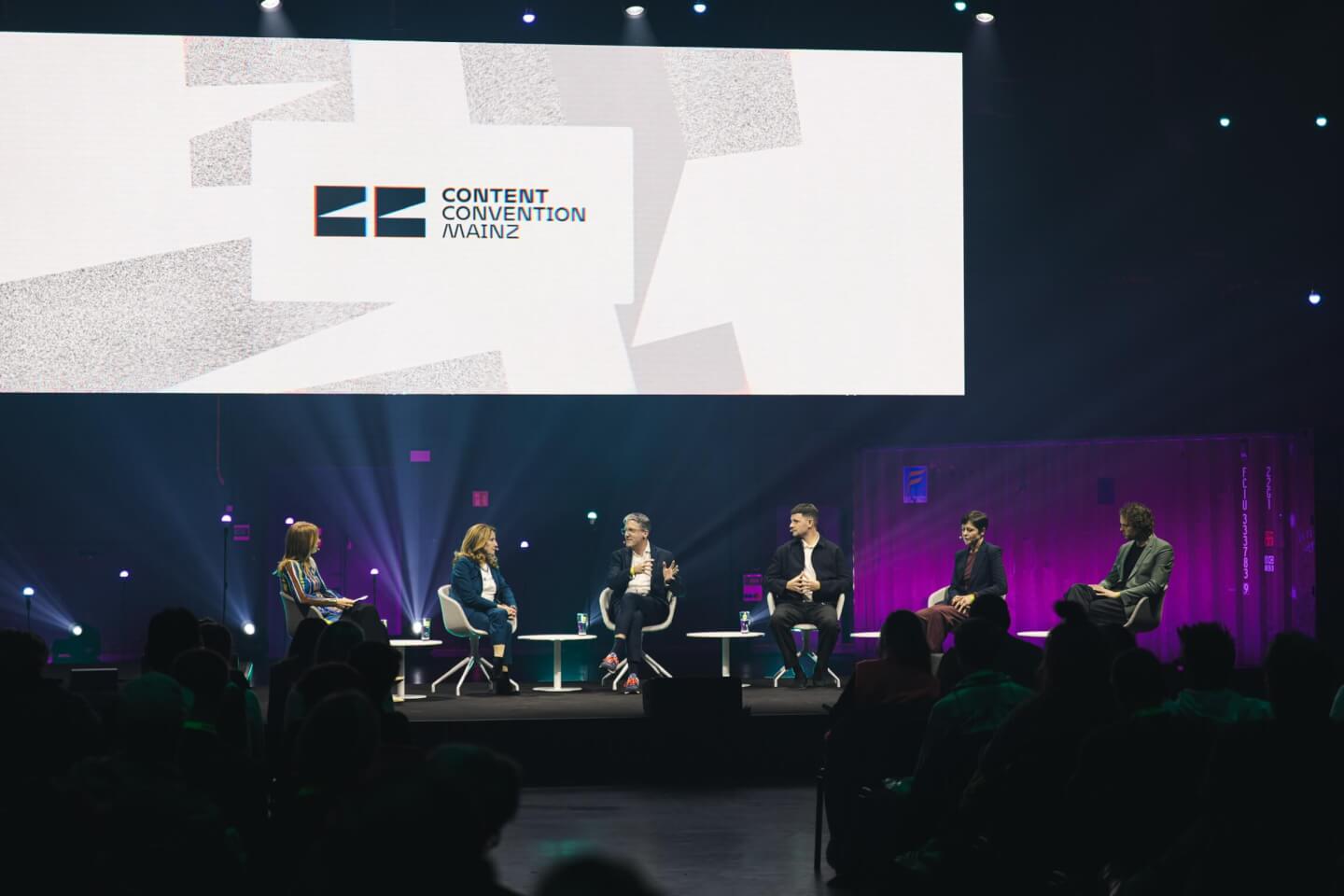
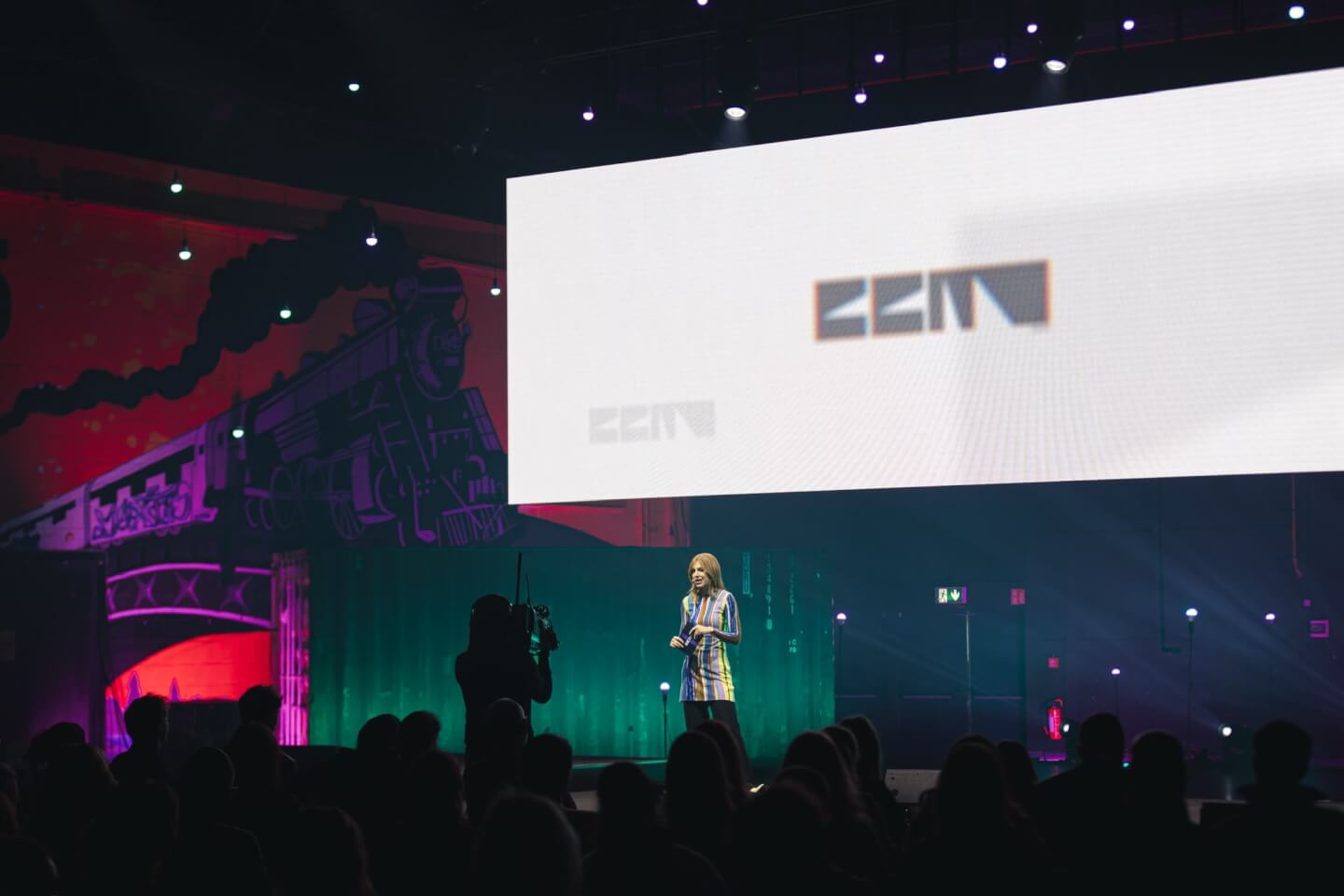
Hybrid events connect a live audience with participants at their screens. What counts technically – from a redundant line to lighting for the camera.

Hybrid events connect live participants on site with a virtual audience – now almost standard at conferences, trade fairs, product presentations or corporate events. A good hybrid event is considerably more than a camera in front of the stage: it is a production in its own right, with its own direction. And that is exactly where the wheat is separated from the chaff.
The most obvious advantage: reach. Your event reaches not only the guests in the hall, but also participants who can’t or don’t want to travel. Added to that are lower travel costs, less resource consumption and formats that can be scaled flexibly – from a panel discussion to an international symposium. With live chats, polls and Q&A sessions, the online audience becomes part of the event rather than a silent block of spectators. The key thing is that someone actively moderates the online side. A stream that nobody looks after quickly becomes a dead channel – we’ve seen it often enough.
Clean livestreaming requires cameras, encoders and streaming software that work together – whether the broadcast runs via YouTube, Zoom, Microsoft Teams or your own platform. We have summarised which streaming and hybrid technology is standard today in a separate article on livestreaming and hybrid technology. When it comes to sound, the online audience hears every mistake twice as clearly. Microphones, mixing desks and PA systems have to be set up so that the hall mix and the stream mix are run separately – because what sounds good in the room often sounds hollow on the stream.
A stage that looks atmospheric to the eye can look dark and flat on camera. That’s why we plan the stage lighting for both worlds from the outset: speakers and products have to look good both in the hall and on screen. To be honest, this is what most clearly distinguishes the professionals from the webcam solution.
The best production technology is no help if the connection drops out. Robust Wi-Fi, redundant internet connections and tested bandwidths are a must – including a backup via a second line. We check this before every hybrid event, not only once the stream starts stuttering.
We have delivered numerous hybrid events, from a compact online conference to a large streaming setup with multiple cameras and video direction. This includes high-quality broadcast technology for picture and sound, interactive tools for involving the online audience and a concept that fits your format – not the other way round. Hybrid event technology is no longer a trend, but everyday reality in the events industry. You can read about where the industry is heading beyond that in the article on the future of event technology.
If you are planning a hybrid event, talk to us early – the sooner the streaming requirements are settled, the more relaxed the day of the event will be. Contact us for a solution that suits your event.