Livestreaming and hybrid events are standard today. The technology they require and why professional implementation is crucial.

The demands placed on events have shifted noticeably in recent years. More and more events are not only experienced on site, but broadcast at the same time. Livestreaming and hybrid formats have long been standard – today, the question is no longer whether, but how well.
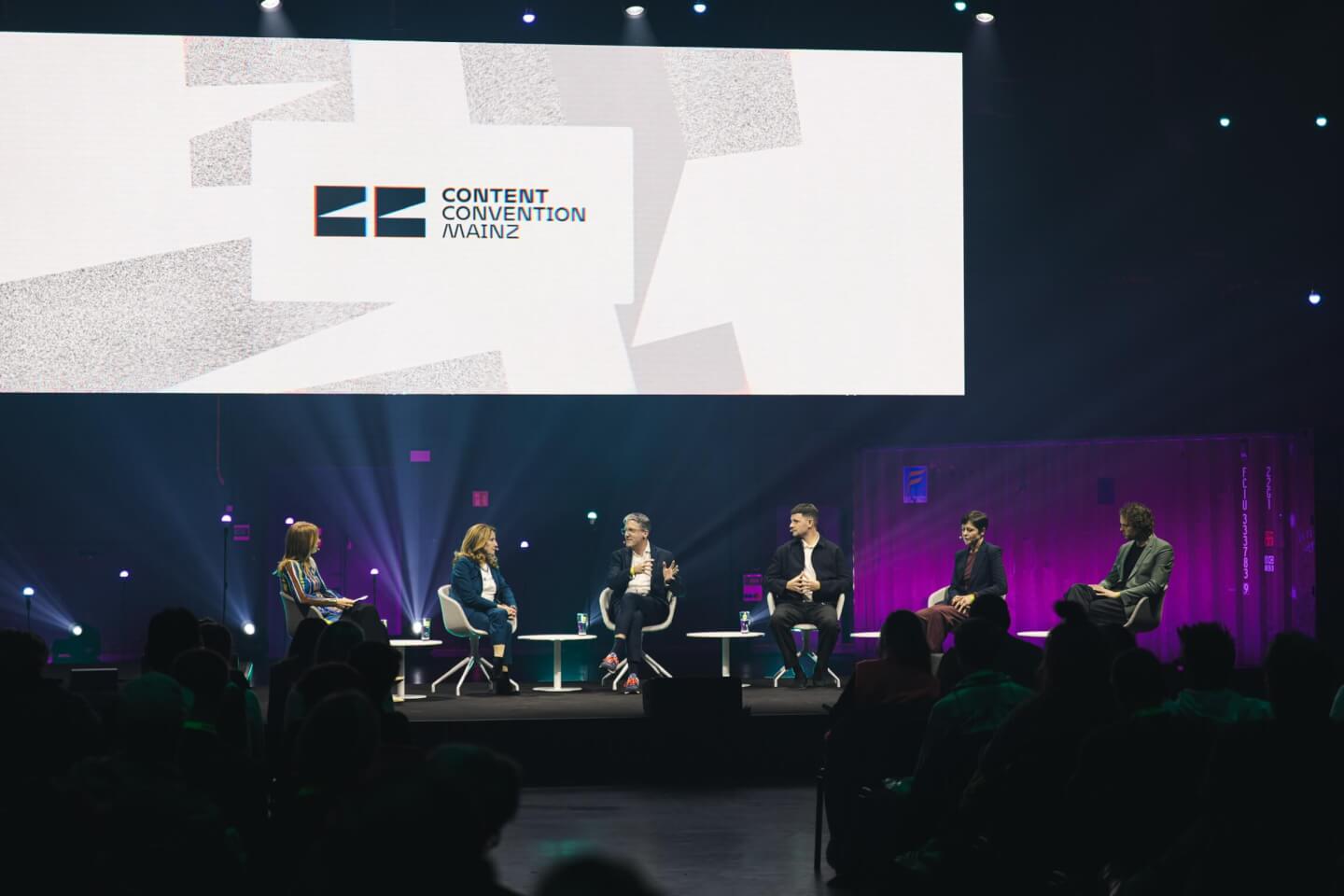
A hybrid event combines the classic in-person event with a digital component. Participants sit in the hall or join from home – and both groups should have the same experience. That sounds simple, but it isn’t: anyone taking part online won’t forgive muddy sound or a dark picture. The stream is essentially a second event, produced in parallel. We look at the concepts behind such formats in more depth in our article on hybrid events and the right event technology.
For livestreaming and hybrid technology to run smoothly, you need a reliable infrastructure: high-resolution cameras, stable streaming servers and network technology, clean microphone setup with a dedicated stream mix, control room and video technology for the broadcast, and interactive tools such as chat or Q&A features. The underestimated factor is almost always the network – a line that was sufficient during testing can collapse as soon as 300 guests in the hall connect their mobile phones to the Wi-Fi. That’s why we always plan streams with a dedicated, tested connection and a backup. You can find an overview of our technical equipment under our services.
The benefits are tangible: participants can join from anywhere, the reach extends far beyond the hall, and fewer journeys mean lower costs and a smaller CO₂ footprint. Then there’s interactivity – digital features let you actively involve the audience instead of just letting them watch. If you want to go one step further, you can combine the stream with immersive elements – more on this in our article on augmented reality and holograms at events. A well-made stream also extends an event beyond the day itself, because the recording keeps on working.
Hiring event equipment is something anyone can do. What matters is that during the broadcast someone is sitting at the desk keeping an eye on levels, camera cuts and the connection – you can only correct something live if someone notices it. That’s why our technicians accompany every step: from planning and setup to live support. This lets you concentrate on your content while we keep the technology under control. Whether it’s a conference, workshop or concert: professional implementation ensures not only stability and quality, but a genuine event experience – on site and online alike. Planning a hybrid event or a livestream? Then you can reach us directly via our contact form – or take a look around our homepage first.