Stage plot and technical rider: what goes in, a sample checklist from stage size to backline, and how it turns into a quote where nothing is missing.
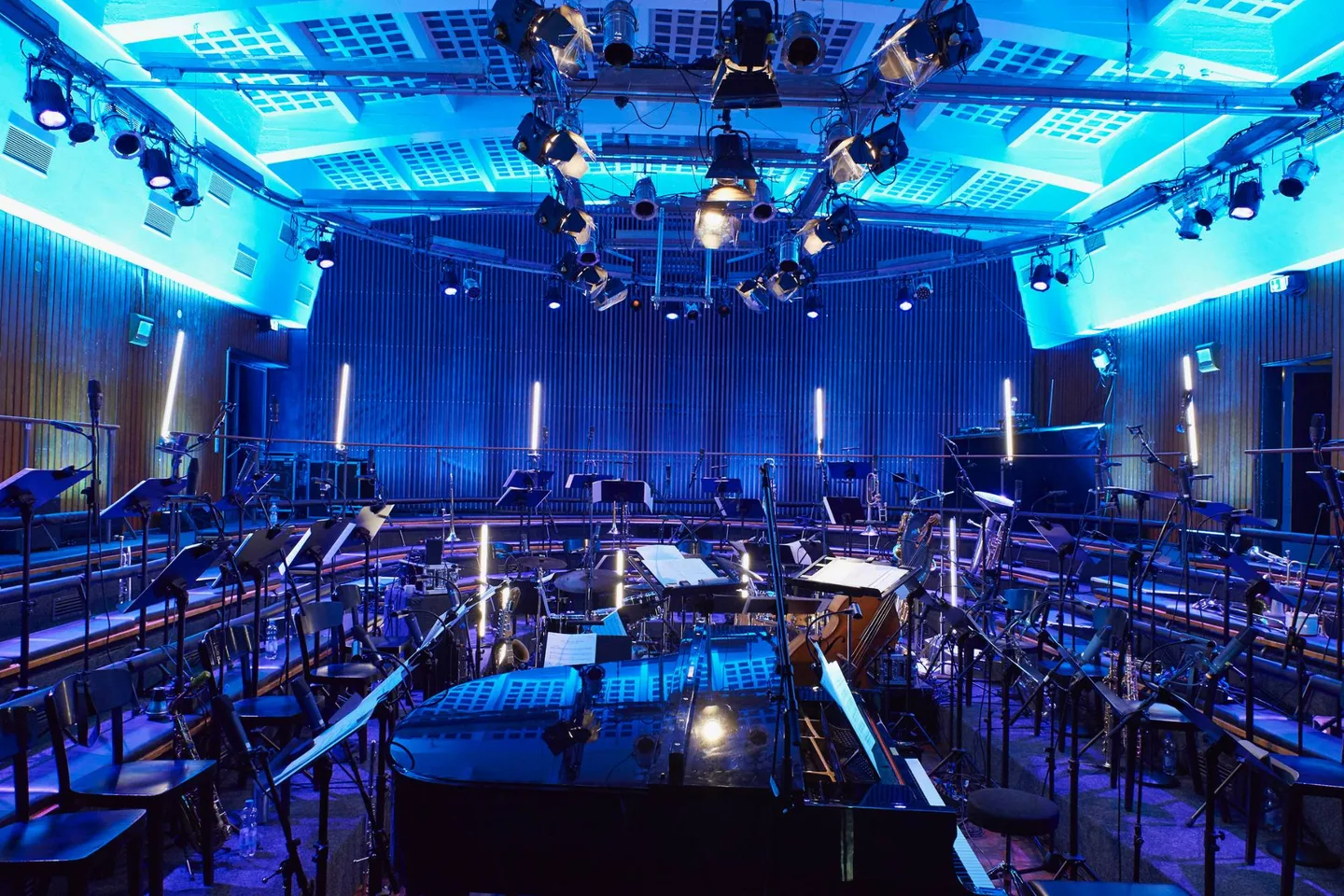
Anyone who books a band, or plays in one, knows the problem: the technical requirements are somewhere, in an email, in the agency's PDF, in the guitarist's head. The quote is then only as good as those requirements are written down. Two documents have proven themselves: the stage plot, a drawing of the stage with every position, and the technical rider, the list of requirements for sound, lighting, power and backline. This article explains both, gives you a sample checklist and describes what we at photon make of a good rider: a quote in which alternatives are visible and nothing is missing.
The stage plot shows the stage from above, audience at the bottom. Every person stands with their instrument in position, next to monitors, amplifiers, drum riser and the spots where power is needed. A drawing replaces many sentences: the engineer sees at once how many monitor mixes there are and where cables run.
The technical rider adds what cannot be drawn: which PA the band expects, how many monitor mixes, which microphones and DI boxes on which channel, which backline is brought or provided, what lighting is wanted, when get-in, sound check and show are. Together they are the basis for the quote. If one is missing we guess, and guessing costs time on show day.
The template covers what we need for a solid quote. Fill in what applies; a short rider beats a long incomplete one.
To us, a rider is an equipment list in customer language. We sort it into the groups every quote is built from: sound, lighting, rigging, truss, power, peripherals. Then the crew: on service projects a sound and a lighting operator are standard, on full productions project management, an event technician and assistants.
Two things are worth knowing about our quotes. First: if your rider names a specific model, we check whether it is in stock and free; if not, we propose a comparable one. Customers ask exactly that themselves: "Do you have the models named? If not, which comparable models would you recommend?" "Or equivalent" in the rider saves that loop.
Second: we do not hide alternatives in the total. Since September 2026 all our quote templates show a separate section "Optional items (not included in the total price)". Every alternative appears there with its price and its own group total, for example a second LED wall with a different pixel pitch or consumables such as haze fluid, with its description as a group comment. You see at a glance what the main option costs and what an alternative would add, without the total moving.
For the sound itself: tell us room, audience size and music style, and we design the PA; equipment is under sound equipment hire, fixtures under lighting hire. Equipment without crew: see dry hire.
For a concert night or festival with several bands, collect the riders and lay the stage plots over each other. That shows which positions and monitor mixes can stay and where a changeover is needed; changeover times belong in the running order. How festival and tour productions run with us: festival and touring, stage construction and rigging and the occasion pages concert and festival and tour.
For tour productions we also ask: with or without transport, with or without crew, full production or lighting or sound only, carnet for destinations outside the EU. A lighting plan upload in the enquiry is in planning; until then, send lighting plan and rider as PDF.
The event enquiry asks in separate steps for sound, lighting and media and for set-up and dismantling; the free-text fields for special requirements and running order take your input list and monitor wishes. Send stage plot and rider as PDF by email afterwards; we attach them to the enquiry. To see the stage first, build it in the event configurator (German-language) with stage decks, PA, microphones, monitoring, lighting and a front-of-house position; the result is an equipment list with real articles and power demand, which goes on as an enquiry.
A good stage plot and a short, current technical rider are the cheapest technology investment a band or promoter can make: one evening at the desk that saves questions and compromises on show day. Write down what you need, mark what is negotiable, and send it via the event enquiry. The quote then shows main option and alternatives separately, and on stage stands exactly what you drew.
The stage plot is the drawing of the stage from above with all positions, monitors and power drops; the technical rider is the text with PA, monitor mixes, input list, lighting, backline, times and contact. Together they are the basis for a quote.
The German word for the package of stage plot and technical rider: the instruction to promoter and crew on how to set up the stage for a band.
No. Name what you are used to, with the addition "or equivalent". We check availability and propose comparable models where needed, just as customers request in enquiries.
We put a comparable device in the main option and show the requested or another model as an optional item with a price, outside the total. That keeps the quote comparable.
Via the event enquiry with the steps technology and set-up and dismantling plus the free-text fields; stage plot and rider follow as PDF by email. An upload in the form is in planning.
Yes. The question whether we program lighting a band brings came from an enquiry, and the answer was: happy to.
Call us or send us your enquiry. To start, your contact details are all we need – you can add the details afterwards in six short steps.
Christian Fino BeyerManaging Director · Master Technician for Event Technology
5.0 out of 5 stars on Google


