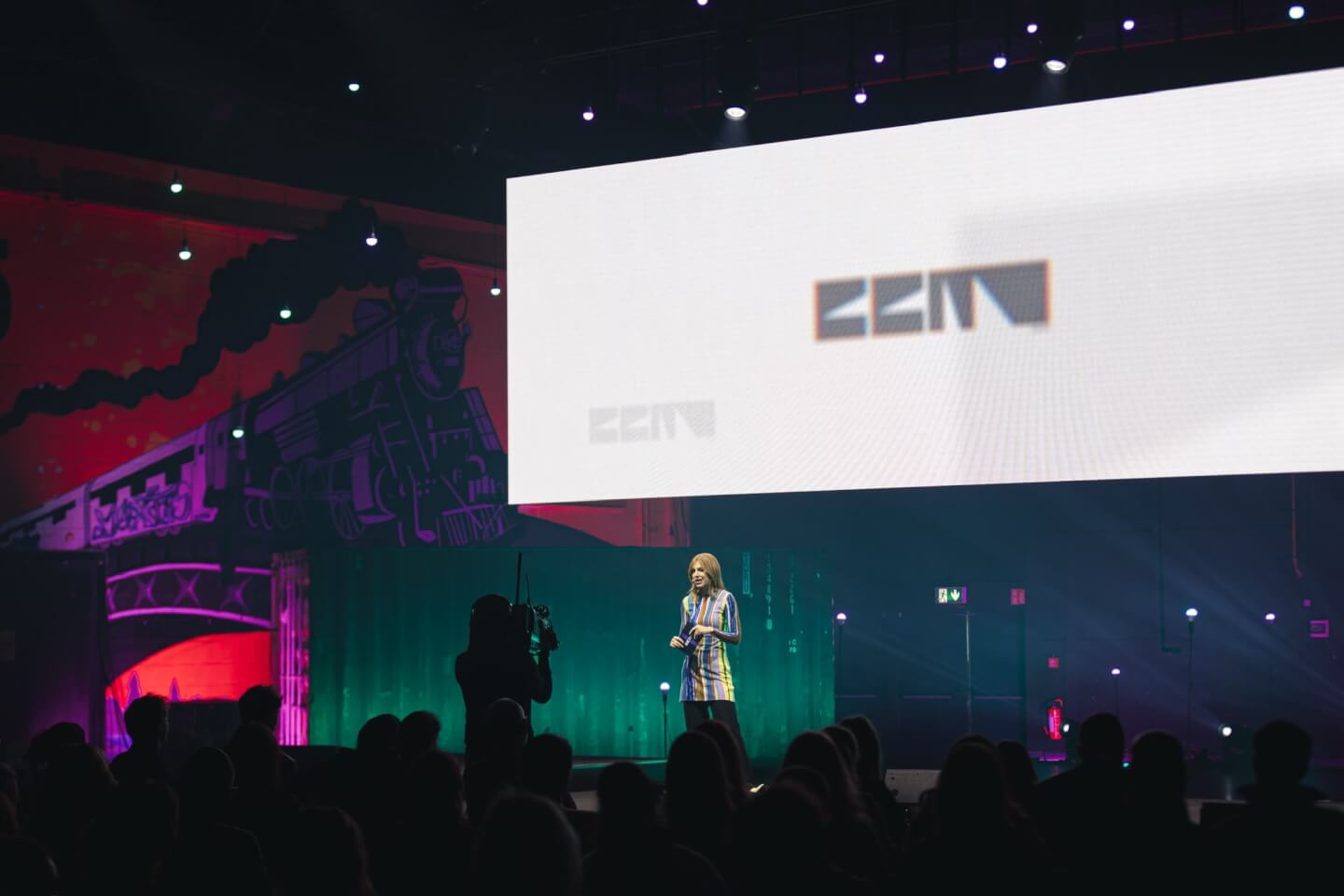
A look behind the scenes: how our team sets up lighting, sound and stage technology – from planning right through to the last cable.

When the show starts at 8 pm, our team has usually already put in a full working day. What the audience never sees: the lorryload of flight cases, the cable runs under the stage floor, the soundcheck that sometimes starts as early as 6 am. We take you behind the scenes and show you how we actually go about setting up an event. Welcome backstage – where all the show technology comes together, long before the audience enters the hall.
The actual setup is just the tip of the iceberg. Long before the day of the event, we clarify the basic questions: Which sound system suits the size of the room? How much light does the stage really need? And, quite mundane but crucial – where is the loading bay, how wide are the doors, where is the nearest power connection? Anyone who doesn’t ask beforehand ends up standing in a stairwell with a flight case on the day of the event. We’ve seen it happen to others often enough. You can find an overview of what we cover technically under our services.
On the day of the event, things start early. The lorries roll in, the equipment is unloaded – loudspeakers, trusses, projectors, kilometres of cable. Then everything is built according to plan, with every move second nature:
Neat cable management is not just cosmetic. Every loose cable is a trip hazard – and, frankly, also a sign of how carefully a team works.
Before the first guest enters the hall, everything is tested. Microphones, loudspeakers, mixing desk – every channel individually. At the same time, we program the lighting control and match colours, movements and effects to the running order. Sounds unspectacular. But it is precisely the phase in which technology turns into a show.
Our technicians stay on site for the entire event. They run lighting and sound, keep an eye on every signal and react before the audience even notices that a reaction was needed. Meanwhile, you can concentrate fully on your guests.
Then everything goes into reverse: dismantling, packing, loading. We leave the venue the way we found it – for us, that’s simply part of the job. In the end, a successful event is a lot of invisible manual work. If you want to know what this could look like for your event, get in touch – we at photon plan the setup so that you notice as little of it as possible.
The points during setup that really make the difference between success and mishaps are summarised in our event technology checklist: 10 points that can save any event. And you can find out why something still goes wrong now and then despite the best planning in our field reports on how to avoid technical glitches. And our article on event technology from the media city of Cologne shows why local knowledge is worth its weight in gold during setup. If you want to plan an event from scratch, you will find the complete process in seven steps there.